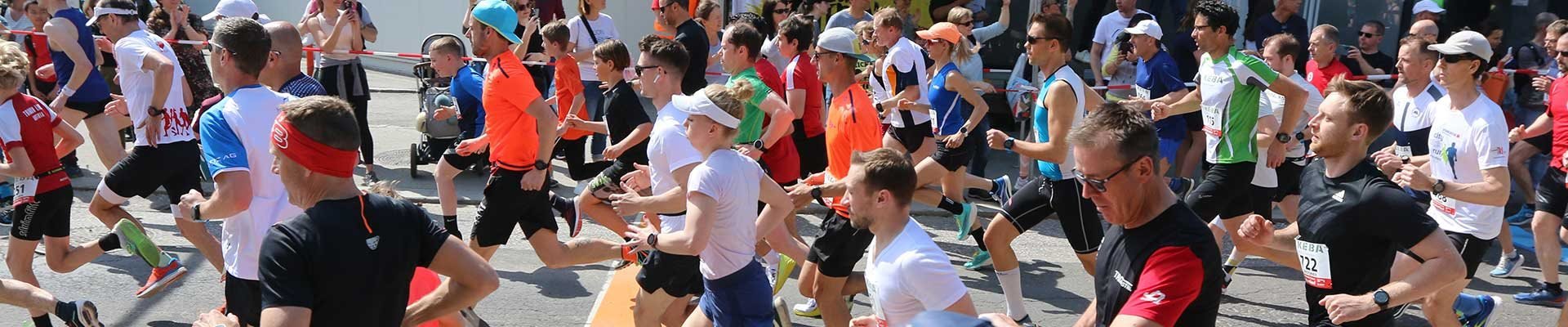
For the 37th consecutive year, spring brings the Linzer 3-Brückenlauf to life, weaving through three iconic bridges of Linz: the Nibelungenbrücke, Neue Eisenbahnbrücke, and Voestbrücke. This beloved local tradition has earned a reputation as one of the largest running events in Upper Austria, appealing not only to seasoned runners but also to casual joggers and families alike. The race route winds through historic Linz, offering participants an engaging mix of urban scenery and architectural landmarks. The event's diverse appeal is further enhanced by its inclusion of both individual rankings and a special competition for companies and clubs. Whether you're racing solo or representing your team, the 3-Brückenlauf promises to be an unforgettable experience. The Linzer 3-Brückenlauf stands out as a unique blend of athletic challenge and cultural immersion. As runners cross each bridge, they are greeted by cheering crowds and stunning views that highlight the city's rich history and modern vibrancy. This event is more than just a race; it’s an opportunity to explore one of Austria’s most dynamic cities while enjoying camaraderie among fellow participants. With its inclusive atmosphere and scenic route, the Linzer 3-Brückenlauf continues to draw runners from all walks of life who are eager to be part of this cherished tradition.
These values represent the 3-year monthly averages for April in Linz.
thermostatTemperature
5.7° / 15.6°
wb_sunnyFeels like
2.7° / 12.7°
light_mode
Avg sunshine hours
8h 38m
water_drop
Avg rainfall
2.6 mm
ac_unit
Avg snowfall
0.1 cm
air
Avg wind speed
9.7 km/h (Light breeze)
opacity
Sweat loss rate
Low
terrain
Course conditions
Firm and slightly soft
sunny
Max UV Index
Moderate (3.5)
humidity_mid
Humidity
72.0%
wb_twilight
Sunrise
06:11
nightlight
Sunset
19:53
About Linz
Learn more about the host city, Linz.
Linz is the third largest city in Austria. It sits on the banks of the Danube (Donau) river. It is the capital of the federal province of Upper Austria (Oberösterreich) and forms the heart of Austria's second strongest economic region. Though it was primarily known as a major industrial centre, it also has a very picturesque historical old town including Austria's largest central square, surrounded by an impressive ensemble of Baroque architecture.