



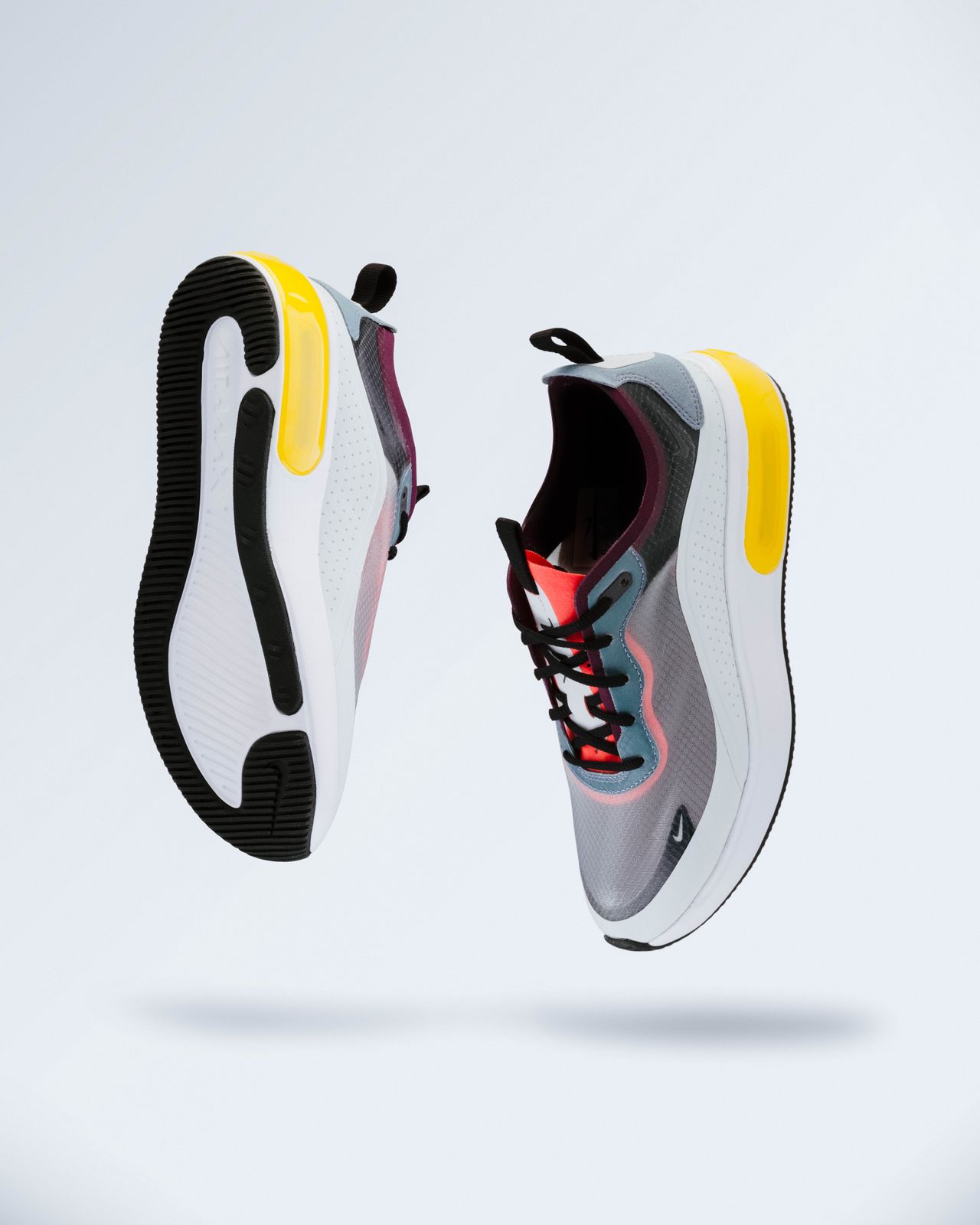
Choosing the right running shoes can make a big difference in your running experience. Whether you're preparing for your first 5K, training for a marathon, or simply enjoying regular runs, the right pair should feel comfortable, fit properly, and match the way you run.
With so many running shoe brands, designs, cushioning systems, and technologies available today, finding the perfect pair can feel overwhelming. The good news is that you don't need to understand every technical feature to make a smart choice.
In this guide, we'll look at the most important things to consider when choosing running shoes, from fit and cushioning to the type of surface you run on.
Consider Where You Run
One of the first things to consider when buying running shoes is the surface where you normally run. Different shoes are designed for different environments, and choosing the right type can improve comfort and traction.
Road Running Shoes are designed for pavement, sidewalks, roads, and other relatively smooth surfaces. They are usually built to provide a balance of cushioning, comfort, and responsiveness for runners who spend most of their time on paved routes.
Trail Running Shoes are designed for dirt paths, rocks, mud, and uneven terrain. They often feature more aggressive tread patterns that provide additional grip on challenging surfaces. If you regularly run on trails, traction and protection should be important considerations.
Find the Right Fit
Even a high-quality running shoe won't perform well if it doesn't fit properly. Your shoes should feel comfortable when you put them on, with enough room for your toes to move naturally while keeping your heel secure.
It's often helpful to try running shoes on later in the day because feet can swell slightly throughout the day. Wearing the same type of socks you normally use for running can also give you a more realistic idea of how the shoes will fit.
Think About Cushioning
Running shoes come with different levels of cushioning, and runners have different preferences. Some people enjoy a soft and highly cushioned feeling, while others prefer a firmer and more responsive ride.
Your choice can also depend on your training. A comfortable daily trainer may be ideal for regular easy runs, while some runners prefer lighter and more responsive shoes for faster workouts or races.
Don't Choose Running Shoes Based Only on Appearance
A stylish pair of running shoes can certainly look great, but appearance shouldn't be the main reason you choose a pair. Comfort, fit, durability, cushioning, traction, and breathability are all more important factors to consider.
A shoe that looks fantastic but causes discomfort during a run isn't likely to become your favorite pair. Focus on how the shoe feels and whether it matches your running needs.
Consider Your Running Goals
The type of running you do can influence the type of shoe you prefer. Runners who primarily do everyday training may want a durable shoe that provides a comfortable balance of cushioning and versatility.
For speed workouts, some runners prefer lighter and more responsive shoes. For long-distance training, comfort and cushioning may become especially important. Trail runners, meanwhile, may want to prioritize grip and protection.
Comfort Matters
One of the simplest ways to evaluate a running shoe is to pay attention to how it feels. Your heel should feel secure, your toes should have enough space, and there shouldn't be areas that create uncomfortable pressure or rubbing.
If a shoe feels uncomfortable from the beginning, don't assume that you always need to break it in. While some materials may soften with use, persistent discomfort can be a sign that the shoe isn't the right fit for you.
When Should You Replace Running Shoes?
Running shoes eventually lose some of their original cushioning and performance. How long they last can vary depending on factors such as your running frequency, mileage, running style, body weight, shoe construction, and the surfaces you run on.
Instead of focusing only on a specific mileage number, pay attention to the condition and feel of your shoes. Noticeable outsole wear, compressed cushioning, visible damage, or a significant change in comfort can all be reasons to consider replacing them.
Don't Forget Your Running Socks
Running socks can also affect the overall comfort of your shoes. Many running-specific socks are designed to manage moisture and reduce friction, while different thicknesses can change how a shoe feels and fits.
Choosing comfortable socks that work well with your running shoes can help create a better experience, especially during longer runs.
Final Thoughts
Finding the right running shoes doesn't have to be complicated. Start by considering where you run, how often you run, your training goals, and what feels comfortable on your feet.
Rather than choosing a pair simply because it is popular or looks good, focus on finding shoes that fit properly and suit your individual running needs. The right pair can help make your regular runs more comfortable and enjoyable.
Whether you're a beginner or an experienced runner, taking the time to choose your shoes carefully is an important part of building a comfortable and consistent running routine.