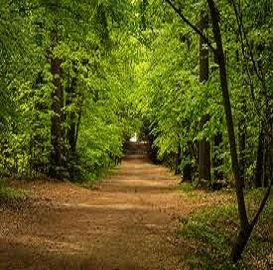
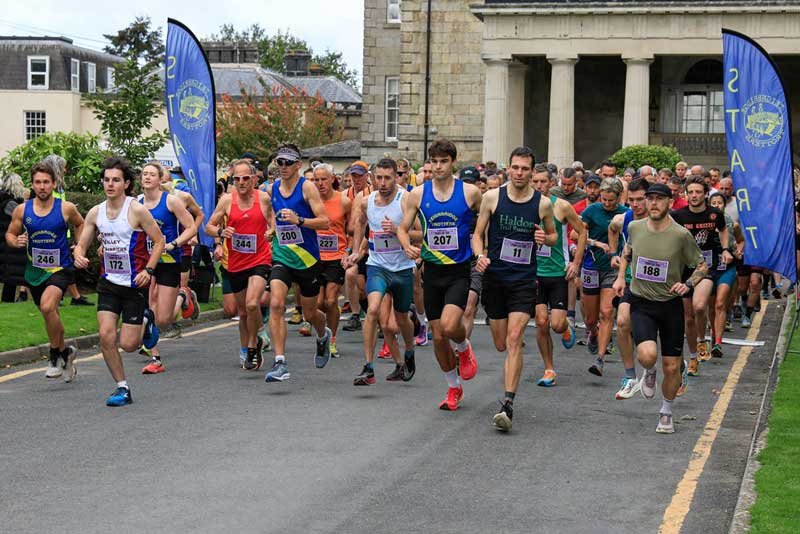
Step back in time for a stunning and challenging trail run at the Rye Ancient Trails 30k & 15k on Sunday, 13 September 2026. This unique race, starting with a flourish from the medieval high street of Rye, follows historic routes through the High Weald Area of Outstanding Natural Beauty in East Sussex. Choose your distance: conquer the epic 30k (19-mile) route with over 1,500 feet of climb, linking five Norman churches, or enjoy the equally scenic 15k option. The breathtaking course winds through ancient woodlands, orchards, and quiet country lanes, offering spectacular coastal views and a true sense of adventure. With its vibrant community spirit, free race photos, bespoke finisher's medal, and fundraising support for The Oliver Curd Trust, it's a race that challenges your legs and warms your heart. Perfect for trail lovers seeking a hilly, history-rich escape, it's a beloved event that consistently earns rave reviews for its organization and stunning scenery.
Races Offered
Rye Ancient Trails 15K 2026
Sep 13, 2026
straighten
Distance —
15K
terrain
Type ——
timer
09:30
Rye Ancient Trails 30K 2026
Sep 13, 2026
straighten
Distance —
30K
terrain
Type ——
timer
09:30
Weather History
These values represent the 3-year monthly averages for September in Rye, East Sussex.
thermostatTemperature
12.4° / 20.0°
wb_sunnyFeels like
10.4° / 17.6°
light_mode
Avg sunshine hours
9h 2m
water_drop
Avg rainfall
2.9 mm
ac_unit
Avg snowfall
—
air
Avg wind speed
14.9 km/h (Gentle breeze)
opacity
Sweat loss rate
Moderate
terrain
Course conditions
Firm and slightly soft
sunny
Max UV Index
Moderate (3.5)
humidity_mid
Humidity
79.3%
wb_twilight
Sunrise
06:32
nightlight
Sunset
19:09
About Rye, East Sussex
Learn more about the host city, Rye, East Sussex.
Rye is a town and civil parish in the Rother district of East Sussex, England, two miles from the English Channel at the confluence of three rivers: the Rother, the Tillingham and the Brede. In the mid-twelfth century, it was an important member of the mediaeval Cinque Ports confederation, it was at the head of an embayment of the English Channel, and almost entirely surrounded by the sea. Over the subsequent centuries, the coastline has moved further away due to a combination of natural silting up from storm damage, changes in the flow of the River Rother, and tidal changes, along with deliberate land reclamation from the sea.